The Evolution of CPU Architecture
John Hardware
Author
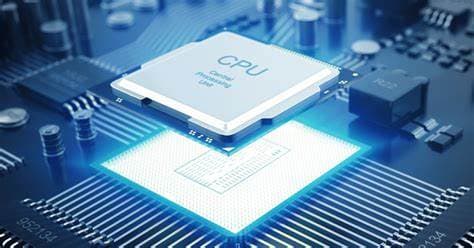
The Evolution of CPU Architecture
The past decade has seen a massive shift in how central processing units (CPUs) are designed. With Moore's Law slowing down, processor manufacturers have had to get creative to keep increasing performance.
The Shift to Multi-Core
Early processors focused on increasing clock speeds. However, as speeds pushed past 3 GHz, heat dissipation became a massive issue. This led to the multi-core era, where processors feature multiple processing units on a single chip.
"The transition to multi-core architectures was the most significant shift in computing history."
Hybrid Architecture: P-Cores and E-Cores
Recently, we've seen the rise of hybrid architectures, pioneered by ARM and later adopted by Intel in their desktop processors. This approach pairs high-performance cores (P-cores) with high-efficiency cores (E-cores).
- P-Cores: Designed for demanding tasks like gaming and rendering.
- E-Cores: Designed for background tasks and multi-threaded workloads, consuming less power.
The Future: AI Integration
Looking ahead, the integration of dedicated Neural Processing Units (NPUs) into standard CPUs is the next big frontier, enabling real-time AI processing without relying on the cloud.